

mirror glass no frame
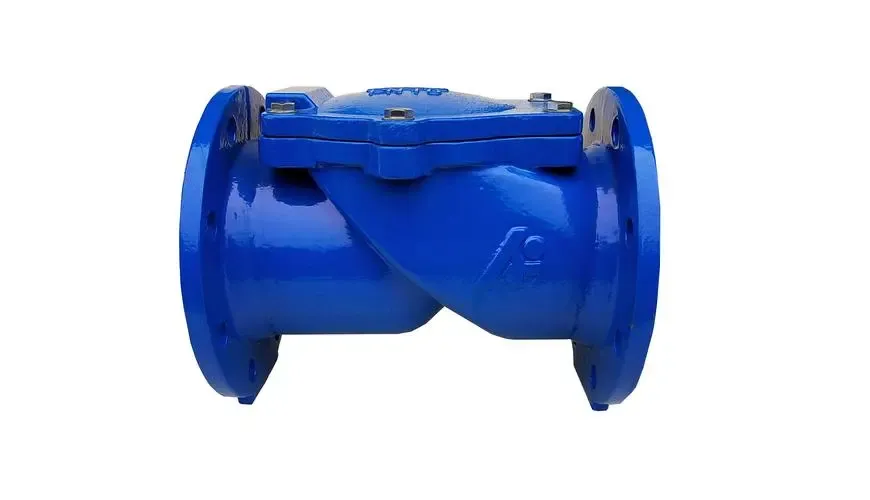
Understanding Stop Check Valves Key Components in Fluid Control Systems In industrial applications and fluid handling systems, the efficiency and safety of operations largely depend on the design and functionality of valves. Among the various types of valves, stop check valves play a crucial role in regulating fluid flow while preventing backflow. This article delves into the concept of stop check valves, their functionality, applications, advantages, and considerations for selection. What is a Stop Check Valve? A stop check valve is a specialized valve that combines the features of both a stop valve and a check valve. It is designed to allow fluid flow in one direction while preventing it from flowing backward. The construction typically consists of a body, an inlet and outlet port, a disc or gate, and a stem. When the valve is fully opened by turning the handle or actuator, it allows free passage of the fluid. If the pressure in the reverse direction exceeds a certain limit, the disc or gate will automatically close, preventing backflow. Functionality In operation, the stop check valve can be in two states fully open or closed. When in the fully open position, it functions similarly to a standard stop valve, allowing maximum fluid flow. However, the moment there is an attempt to reverse the flow due to pressure changes, the internal mechanism of the valve kicks in, and the disc moves to the closed position, thus stopping any backflow. This dual functionality provides enhanced security in systems where backflow could damage equipment, contamination could occur, or where unintentional mixing of fluids must be avoided. Applications Stop check valves are widely used across various industries due to their versatile functionality. Some common applications include 1. Water Supply Systems These valves are essential in municipal water supply systems to prevent the contamination of drinking water due to backflow from industrial zones. 2. Fire Protection Systems In fire suppression systems, stop check valves ensure that water flows correctly through the pipes and that there is no backflow, which could jeopardize safety. 3. Pumping Applications In pump systems, stop check valves protect pumps from reverse flow, which can cause operational inefficiencies and potential damage . 4. Power Generation In power plants, they are used in various systems, including steam and cooling water systems, to ensure safe and efficient operations. Advantages of Stop Check Valves stop check valve 1. Prevent Backflow The primary advantage is their ability to automatically prevent fluid backflow, thereby protecting downstream equipment and ensuring system integrity. 2. Simplicity in Design Stop check valves are often simpler in design compared to complex control systems, making them easy to install and maintain. 3. Reliability They offer high reliability in fluid handling applications, as the automatic operation of the valve reduces the likelihood of human error. 4. Versatility Suitable for various applications, they are effective in handling different types of fluids such as water, oil, and chemicals. Considerations for Selection When choosing stop check valves for a specific application, several factors should be considered 1. Material The material of the valve should be compatible with the fluid being handled to prevent corrosion and ensure longevity. 2. Pressure and Temperature Ratings It's crucial to select valves that can withstand the application-specific pressure and temperature limits. 3. Size and Flow Requirements The size of the valve must match the piping system, and it should be able to handle the required flow rates. 4. Installation Orientation Some stop check valves are designed to function in specific orientations, either vertical or horizontal, which should be accounted for during installation. 5. Regulatory Compliance Ensure that the selected valve complies with industry standards and regulations pertinent to the specific application. Conclusion Stop check valves are integral components in fluid systems, providing essential control and safety mechanisms. By understanding their functionality, applications, and advantages, industries can make informed decisions that enhance operational efficiency, protect critical equipment, and maintain the integrity of fluid handling systems. As technology continues to evolve, the design and capabilities of stop check valves will likely advance, offering even greater benefits in a wide array of applications.
about
mirror glass no frame
Understanding Water Valve Types A Comprehensive Guide Water valves are essential components in plumbing and fluid control systems. They regulate the flow, pressure, and direction of liquids, ensuring systems operate efficiently and safely. With various types of water valves available, understanding their functions, applications, and characteristics is crucial for effective selection and maintenance. In this article, we delve into the different types of water valves and their specific uses. 1. Gate Valves Gate valves are primarily used for on/off control of water flow. They operate by raising and lowering a gate or wedge within the valve body. When fully open, these valves provide minimal resistance to flow, making them suitable for applications where full flow is needed. However, gate valves are not ideal for throttling, as partially opening them can cause erosion and damage to the gate. Common applications include water supply systems, irrigation, and fire protection systems. 2. Globe Valves Globe valves are designed for throttling and flow regulation. Their spherical body shape and internal baffle allow for better control of flow when the valve is partially open. Globe valves are known for their reliability and durability in terms of performance. They are often used in applications like water treatment plants, heating systems, and chemical processing where flow control is essential. 3. Ball Valves Ball valves are favored for their quick and reliable operation. They utilize a spherical disc (the ball) that rotates within the valve body to either allow or block flow. The design of the ball valve provides a tight seal, minimizing the risk of leakage when closed. They are commonly used in residential plumbing, irrigation systems, and industrial applications due to their durability and ease of use. 4. Butterfly Valves water valve types Butterfly valves are lightweight and compact, making them ideal for large pipes and systems requiring a significant flow control. They consist of a disc that pivots on a shaft, allowing for quick opening and closing. The unique design enables better flow control while minimizing pressure loss. Butterfly valves are commonly found in water distribution systems, wastewater treatment facilities, and HVAC applications. 5. Check Valves Check valves are essential for preventing backflow in piping systems. They allow fluid to flow in only one direction, closing automatically when the flow reverses. This function is critical in preventing contamination and pump damage in various applications. Check valves are widely used in irrigation systems, waste management, and water supply networks. 6. Pressure Relief Valves Pressure relief valves are crucial for protecting systems from pressure surges. They automatically release excess pressure when it exceeds a predetermined level, preventing potential damage to pipes and equipment. These valves are extensively used in boiler systems, industrial process control, and water heating applications, ensuring safety and stability within the system. 7. Solenoid Valves Solenoid valves are electrically operated valves used in automated systems. They utilize an electromagnetic solenoid to open or close the valve, allowing for precise control over fluid flow. These valves are commonly employed in irrigation systems, beverage dispensing machines, and industrial automation processes. Their ability to operate remotely makes them highly efficient for modern applications. Conclusion Choosing the right type of water valve is essential for optimizing the performance and reliability of plumbing and liquid control systems. Each valve type offers unique advantages and specific applications, making it crucial to understand their functions and characteristics. Proper selection and maintenance of valves not only enhance system efficiency but also play a significant role in preventing leaks and ensuring the safety of the entire system. Whether for residential, commercial, or industrial use, an informed choice in water valves contributes to sustainable and effective water management practices. By familiarizing yourself with these various types of valves, you can make better decisions that align with your needs and operational requirements.
-

High quality industrial productsagement

High quality industrial products
View Details -

Meet the diverse needs of customers

Meet the diverse needs of customers
View Details -

Strict quality control

Strict quality control
View Details -

Top raw materials

Top raw materials
View Details -

Trusted supplier

Trusted supplier
View Details
Our application



news and information
Valve Automation_ Benefits of Motorized Control Systems
In today’s rapidly evolving industrial landscape, automation has become synonymous with efficiency,
Welding Table for 3x6 Workpieces with Sturdy Construction and Adjustable Design
Welding is a crucial process in many industries, from manufacturing to construction. A proper weldin

Welded Globe Valve Applications and Benefits in Industrial Systems
Understanding Welded Globe Valves Functionality and Applications Welded globe valves are critical co
 English